




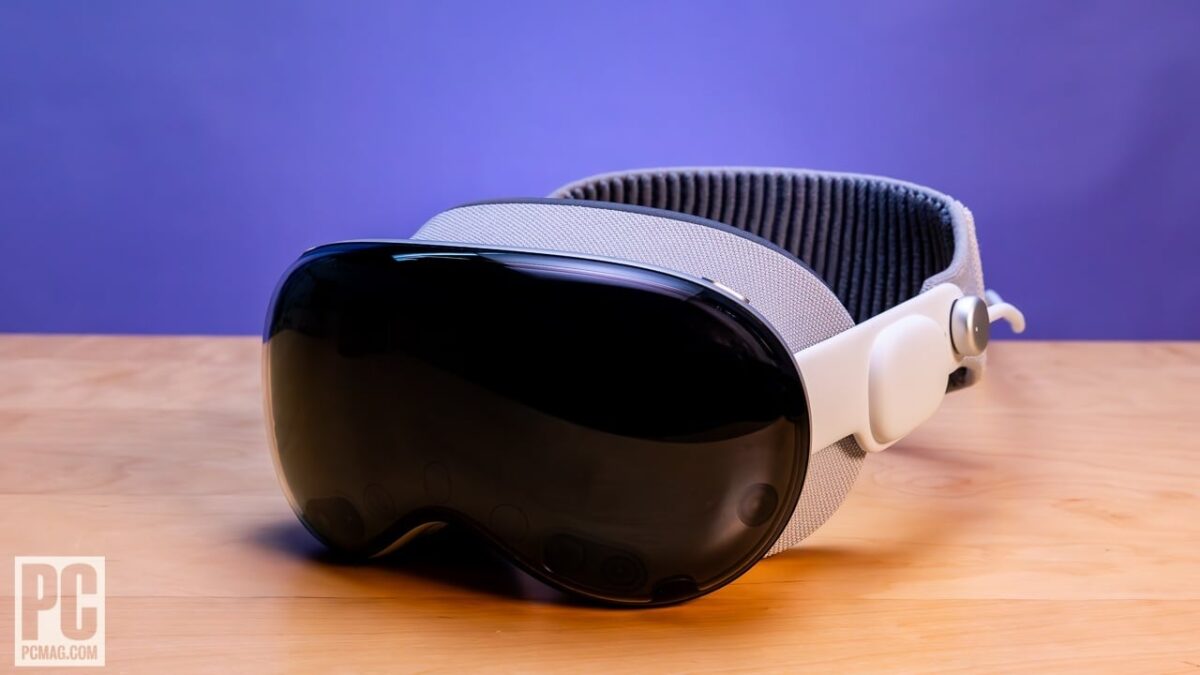
Six months with the Apple Vision Pro has convinced me of two things simultaneously: it is the most technically impressive consumer device Apple has ever made, and it is not yet the device that will convince most people spatial computing is the future. The gap between what it can do and what most people will actually use it for is, for now, too large to ignore.
The display is genuinely astonishing. Watching a film in the Vision Pro’s virtual cinema mode — screen the size of a house, no ambient light — is an experience that no home theatre system can replicate. For that use case alone, the device delivers something novel. The eye-tracking and hand-gesture control is the best novel input paradigm Apple has shipped since the original iPhone touch screen.
The productivity use case, which Apple leaned on heavily in its marketing, is the one that most disappointed. Working in a virtual multi-screen environment is comfortable for about ninety minutes, then the physical weight of the headset — 600 grams suspended from your face — becomes intrusive. No ergonomic adaptation resolves this. It is a physics problem.
App selection remains thin. The visionOS App Store has improved since launch, but the category of apps that are genuinely better in spatial form than on a screen is still small. Productivity apps feel like iPad apps wearing VR clothing. The exceptions — immersive video, certain games, and a handful of genuinely spatial productivity tools — are impressive. They are also niche.
Verdict: The Vision Pro is the right first-generation product for Apple to have built, and it will matter for the long-term development of spatial computing. As a recommendation for most people today at $3,499, it is difficult to make. Wait for the second generation, which is expected to be lighter and meaningfully cheaper. The technology will still be there.
Leave a Reply