






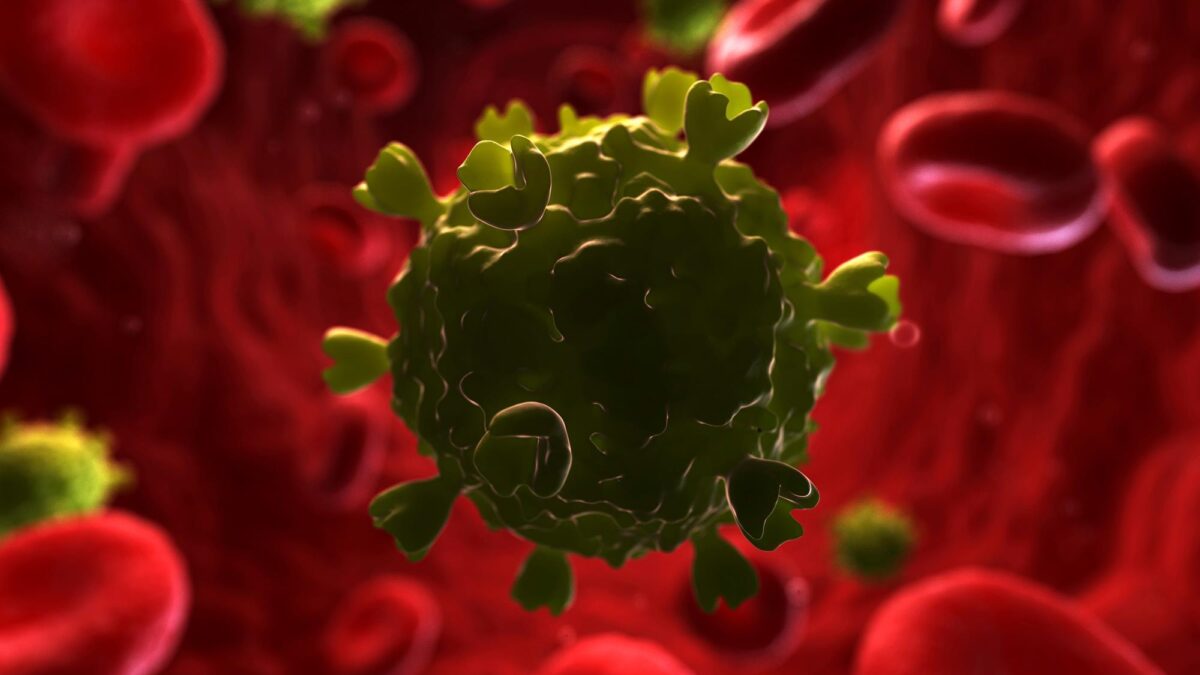
HIV has been manageable for decades — antiretroviral therapy can suppress the virus to undetectable levels and allow people to live near-normal lifespans — but it has resisted cure. The fundamental problem is that HIV inserts its genetic material into the genome of immune cells, where it can lie dormant for years, invisible to the immune system and inaccessible to drugs. Any treatment that targets only active virus leaves this latent reservoir intact.
In April 2026, researchers at the Erasmus MC hospital in Rotterdam published results from a small trial in which six patients with HIV were treated with an experimental CRISPR-based gene editing therapy designed to target and excise the latent viral reservoir from their cells. In four of the six patients, HIV was undetectable in follow-up tests conducted six months after treatment — without antiretroviral therapy.
“We are being very careful about the word ‘cured’,” said Dr. Joep Lange, who leads the research programme. “The virus is undetectable in the measurements we have. Whether it has been fully eliminated — whether there are reservoirs we cannot yet measure — requires longer follow-up. But the results are more promising than anything we have seen before.”
The therapy works by using a CRISPR system delivered by a modified virus to enter immune cells, locate the inserted HIV DNA using a guide sequence, and cut it out of the genome. The approach has been refined over several years to reduce off-target edits — cases where the CRISPR scissors cut in the wrong place — which were an early safety concern.
A larger trial enrolling 60 patients across six countries began in May 2026. The scientific community is cautiously optimistic but emphasises that the path from a six-patient proof of concept to a widely available treatment is long and uncertain. If the larger trial succeeds, regulatory approval could follow within five to seven years.
Leave a Reply