






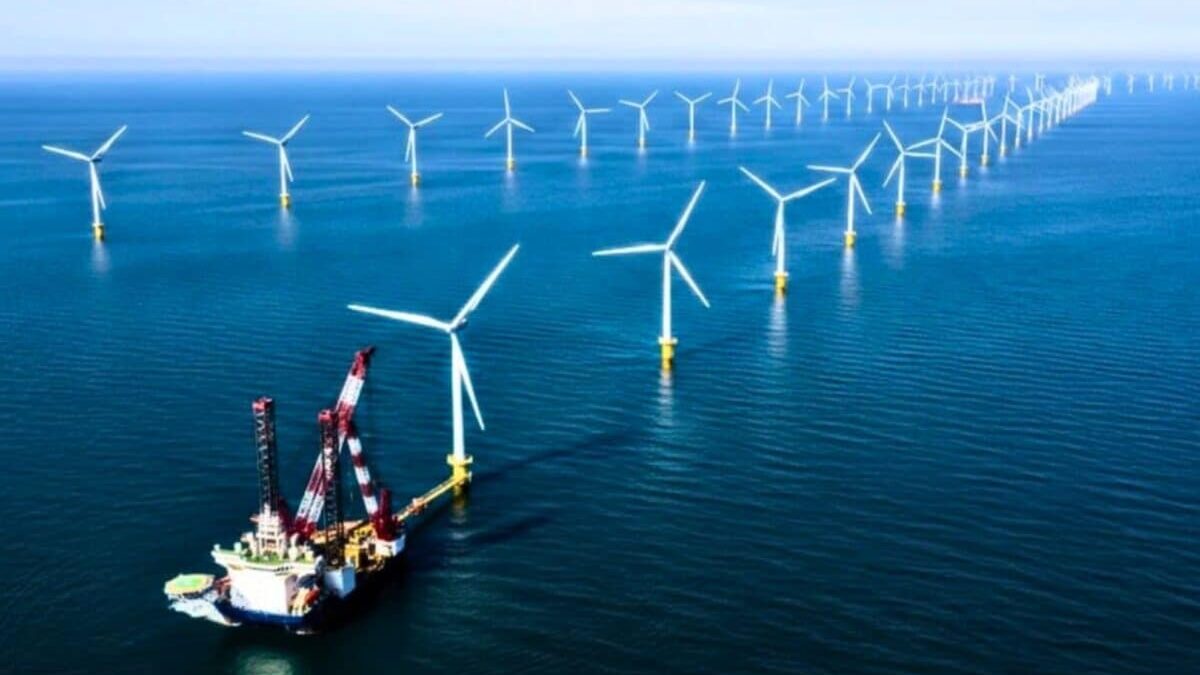
Britain’s Hornsea Three offshore wind farm, which began full operation in March 2026, is now the largest offshore wind installation in the world — a title the UK has held, lost, and reclaimed several times in the past decade. The numbers it is producing have surprised even its developers: on a good day, Hornsea Three generates enough electricity to power 3.3 million homes, more than a typical nuclear reactor, at a cost per unit of energy that is roughly half the current market price for nuclear power.
Offshore wind has followed a learning curve that has consistently outpaced even optimistic projections. In 2010, offshore wind electricity cost approximately £150 per megawatt-hour in the UK. Today, the contracts for difference awarded to new offshore wind projects are being struck at around £37 per megawatt-hour — a reduction of roughly 75 percent in fifteen years.
“The interesting question now is not whether renewables are cheap,” said Dieter Helm, an energy economist at Oxford. “They clearly are. The question is how you build a grid around intermittent generation — and that’s a much harder engineering and economic problem than building the turbines.”
That grid problem is real. Wind generates electricity when the wind blows, not necessarily when demand peaks. The UK grid has been managing this with a combination of gas peaker plants, interconnectors to Europe, and a small but growing fleet of grid-scale batteries. As the share of wind in the generation mix grows — it now exceeds 40 percent on an annual average basis — the need for storage and flexibility is becoming acute.
The government has announced a significant expansion of grid-scale battery storage procurement, and several long-duration storage technologies — including flow batteries and green hydrogen — are moving from demonstration to commercial scale. The energy transition is no longer primarily about building generation capacity. It is about building the infrastructure to manage it.
Leave a Reply