






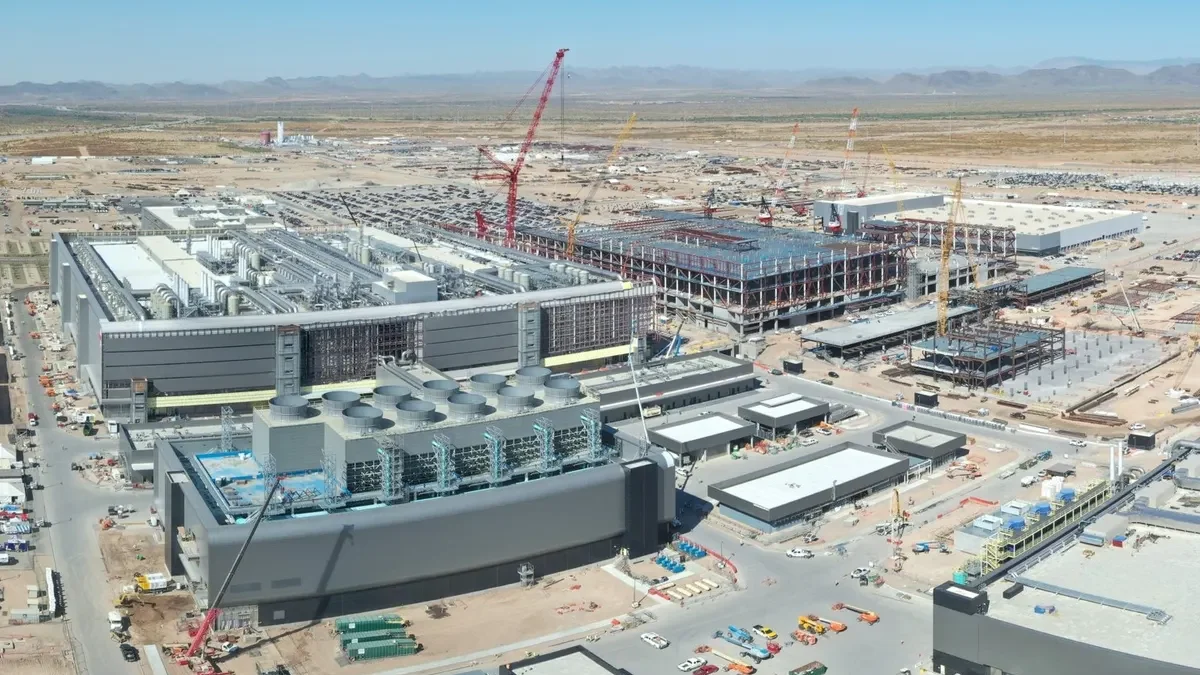
When TSMC broke ground on its first Arizona semiconductor fabrication plant in 2021, many in the industry were sceptical. Building a cutting-edge fab outside Taiwan — where TSMC has spent decades developing a uniquely skilled workforce, a dense supplier ecosystem, and deeply embedded relationships with equipment makers — was considered by some to be technically possible but practically very difficult.
In March 2026, TSMC announced that its Fab 21 facility in Phoenix, Arizona was in mass production of 3-nanometre chips. The announcement mattered not just for TSMC but for US semiconductor policy: it was the clearest evidence yet that the CHIPS and Science Act’s roughly $52 billion in subsidies was producing real results.
“This is not a symbolic achievement,” said Commerce Secretary Gina Raimondo. “These are the most advanced logic chips in the world, being manufactured on American soil for the first time in a generation. That changes our national security picture in ways that are difficult to overstate.”
The strategic significance is considerable. Approximately 90 percent of the world’s most advanced semiconductors — the chips that power AI training systems, advanced weapons guidance systems, and high-end consumer electronics — are manufactured in Taiwan. The concentration of that capability in a single geography, adjacent to a power that has not ruled out military action, has been a source of anxiety in defence and policy circles for years.
The economics are still challenging. Chips manufactured in Arizona cost more than those produced in Taiwan, reflecting higher labour costs and a less mature supplier ecosystem. Several major customers have negotiated pricing arrangements supported by CHIPS Act subsidies. Whether the facility can become cost-competitive without ongoing government support is a question the industry is watching closely.
Leave a Reply